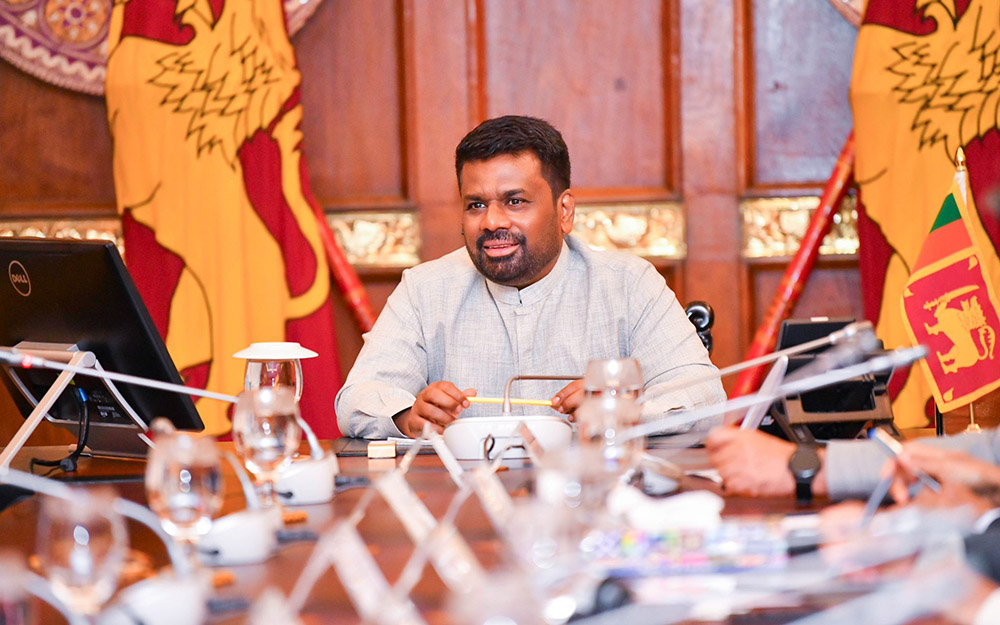
Kathmandu – Sri Lanka has raised petrol and diesel prices for the second time in just two weeks due to the ongoing conflict involving Iran. Under the new pricing, petrol has reached 398 LKR per liter, up from 317 LKR, while diesel has climbed to 382 LKR per liter. President Anura Kumara Dissanayake stated that the government increased prices to curb consumption and prepare the nation for potential oil supply disruptions caused by the long-standing war in the Middle East.
The fuel crisis is putting immense pressure on essential services, particularly healthcare. Doctors and public health inspectors have warned that hospital services could be paralyzed within days if the shortage isn’t resolved, as limited fuel quotas and long queues are making it difficult for staff to report to work. This situation also threatens disease control campaigns and food supply systems. In response, the government is planning to implement public holidays on Wednesdays and shift to a work-from-home model to save fuel.
The tourism sector has also taken a hit, with arrivals dropping 25% in early March due to flight disruptions at Middle Eastern hubs. Despite this, the government is prioritizing fuel and cooking gas supplies for hotels and restaurants to protect the industry. Even with these challenges, Sri Lanka’s overall economy remains relatively stable for now, with foreign exchange reserves exceeding $7 billion, low inflation, and an economic growth rate of around 5%.
To secure its energy future, Sri Lanka has accelerated talks with India, China, Russia, and the USA for alternative fuel sources. While some gas imports from the US have started and India has offered emergency support, the situation remains uncertain. The government has formed four special committees to manage energy, public services, food distribution, and social security. Officials claim the country is better prepared than it was during the 2022 crisis, but supply delays and rising prices continue to pose a significant risk.






FACEBOOK COMMENTS