
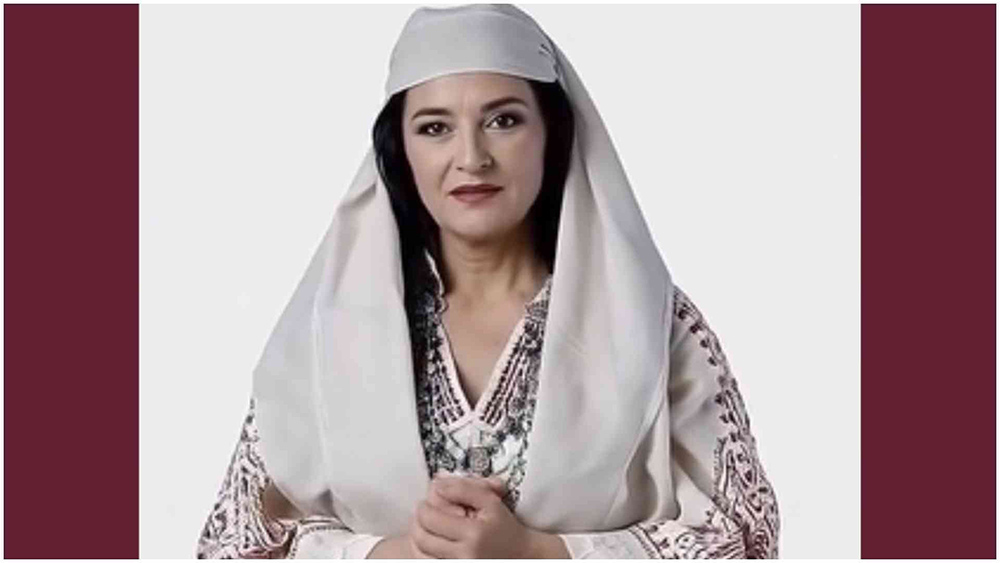
Albania’s ambitious leap into the future has hit a significant roadblock. In 2025, the country made global headlines by appointing the world’s first Artificial Intelligence minister, a virtual entity named Diela. Clad in traditional Albanian attire, Diela was designed to eliminate human bias and bribery by digitizing government services and managing public contracts. However, the initiative is now overshadowed by a massive scandal: the very architects of the AI—two top officials from the National Information Agency—have been placed under house arrest on charges of corruption, contract manipulation, and alleged ties to criminal organizations.
The irony of the situation is stark. While Diela was promoted as a symbol of “light” (her name meaning light in Albanian) and transparency to help the country meet European Union membership requirements, her creators are accused of the exact same systemic misconduct she was built to prevent. This has sparked intense debate over whether the AI itself could be programmed to hide evidence or manipulate data to favor certain parties. Prime Minister Edi Rama, who has championed the project to prove Albania’s commitment to reform, has declined to comment on the ongoing investigation, maintaining that the law must take its course.
Despite the legal turmoil, the government’s digital roadmap remains eccentric and expansive. Prime Minister Rama recently announced that Diela is “pregnant” with 83 digital “babies”—AI assistants intended to support the 83 Socialist Party MPs in Parliament. These digital assistants are designed to monitor parliamentary sessions, track attendance, and even advise lawmakers on how to respond to political criticisms if they step out for a coffee. While the government views this as a path to efficiency, critics and opposition leaders see it as a high-tech distraction from high-level corruption involving senior ministers and officials.
As the European Union watches closely, Albania remains under pressure to move beyond “digital theater” and deliver concrete judicial reforms. While Diela has successfully streamlined online services and reduced petty bribery for citizens, the allegations against her creators suggest that corruption at the top remains a stubborn challenge. With the system expected to be fully operational by late 2026, the world is watching to see if an AI can truly fix a political culture that its own developers couldn’t resist.





FACEBOOK COMMENTS