
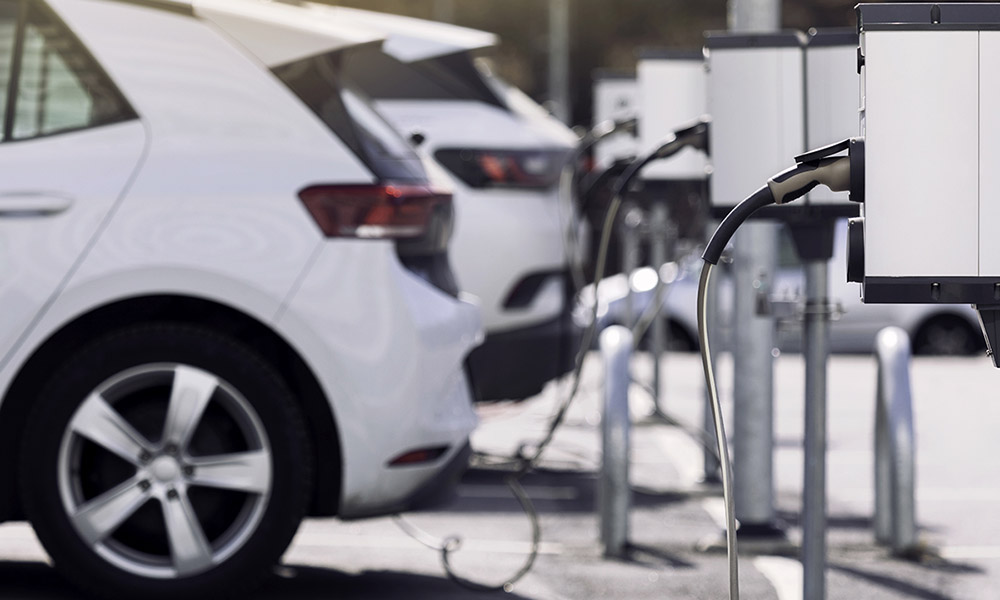
KATHMANDU – As global tensions and conflict drive petrol and diesel prices sharply upward, an increasing number of motorists are turning their attention toward electric vehicles (E.Vs). The rising cost of traditional fuel has sparked a growing debate on whether shifting to electric power has become the most viable financial alternative for consumers.
Experts suggest that if fuel prices remain high for an extended period, both public interest and sales figures for E.Vs are likely to climb. Those relying on petrol or diesel vehicles appear increasingly vulnerable to the volatile price fluctuations dictated by global crises. Recent data from the United States, for instance, shows a significant spike in average gasoline prices within just a single month. In contrast, domestic electricity rates are typically set by regulatory bodies, making them less prone to sudden, dramatic swings and offering E.V users a buffer against oil market instability.
However, specialists caution that electricity prices are not entirely static. Growing demand, the establishment of massive new data centers, and shifts in energy production costs could lead to a gradual rise in utility rates. The cost of charging an E.V remains heavily dependent on local power sources—a mix of coal, natural gas, nuclear, and renewables. Analysts believe that as the share of renewable energy grows, electricity prices may achieve greater long-term stability compared to fossil fuels.
Auto industry analysts note that high petrol prices historically act as a primary catalyst for E.V adoption. Consumer data firms are already seeing a marked spike in inquiries for both fully electric and hybrid models. According to environmental organizations, while the initial purchase price of an E.V often remains higher than its internal combustion counterpart, the total cost of ownership over the vehicle’s lifespan offers substantial savings on fuel.
Despite the optimistic outlook, challenges remain. The initial high cost of entry and China’s dominant influence over the E.V supply chain continue to be points of strategic concern for some experts. Nevertheless, as the energy crisis and fuel price volatility persist, analysts argue that clean energy solutions will become increasingly critical. This shift is expected to not only enhance long-term energy security but also significantly reduce the financial burden on everyday consumers.







FACEBOOK COMMENTS