
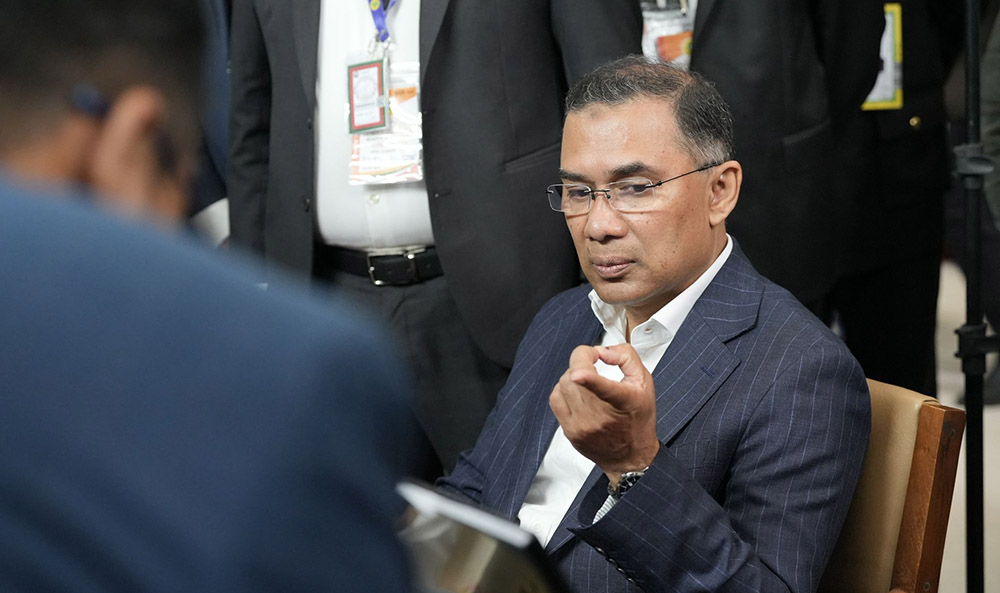
In a major political turning point for Bangladesh, Tarique Rahman, the Chairman of the Bangladesh Nationalist Party (BNP), has been unanimously elected as the leader of the party’s parliamentary group. The decision was formalized during a meeting of newly elected BNP lawmakers held today at the National Parliament building. BNP Secretary General Mirza Fakhrul Islam Alamgir hailed the move as a historic step, marking the party’s return to the legislature through a fair election following years of political suppression and the weakening of democratic institutions.
The BNP secured a commanding victory in the general elections held on February 12, 2026, winning 209 seats independently and reaching a total of 212 seats with its alliance partners. This landslide win concludes the tenure of the interim government led by Nobel Laureate Muhammad Yunus, which had been in place since the ouster of the previous administration in August 2024. With this majority, the BNP is set to form the new government, ending nearly two decades out of power.
Tarique Rahman is scheduled to be sworn in as the Prime Minister later today in a high-profile ceremony at the South Plaza of the Jatiya Sangsad. The event is expected to draw over 1,200 guests, including high-level foreign dignitaries such as the Prime Minister of Bhutan and India’s Lok Sabha Speaker. Rahman, who returned from 17 years of exile in December 2025, will become the first male Prime Minister of Bangladesh in over three decades, stepping into a role previously dominated by the long-standing tenures of Sheikh Hasina and Khaleda Zia.
The new administration faces the immediate task of addressing a fragile economy and implementing promised constitutional reforms. As part of their initial platform, newly elected BNP MPs have pledged to forego traditional perks, such as duty-free luxury cars, as a sign of commitment to the party’s “July Charter.” Rahman has called for national unity to stabilize the country, emphasizing that the new government’s priority will be restoring the rule of law and reviving democratic statutory institutions.









FACEBOOK COMMENTS