
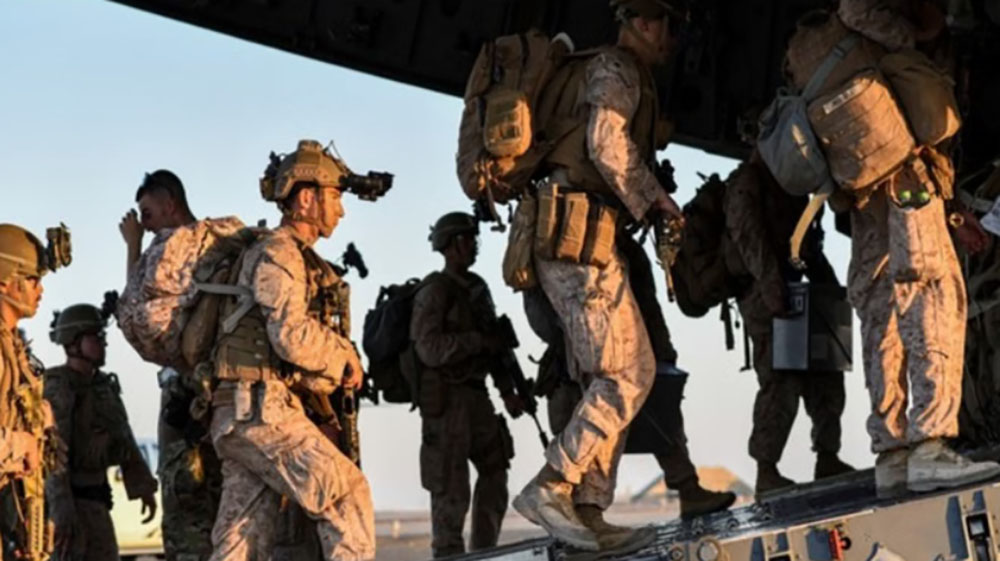
The fight against terrorism and armed groups in Nigeria has reached a critical stage, prompting the United States to deploy approximately 100 military personnel and specialized equipment to the country. This arrival, confirmed by the Nigerian military on February 16, 2026, marks the first phase of a broader 200-member mission. The Nigerian government specifically requested this assistance to bolster its capabilities in training, technical support, and intelligence-sharing as it grapples with a multifaceted security crisis across its northern regions.
Major General Samaila Uba, spokesperson for Nigeria’s Defence Headquarters, clarified that the American troops will not engage in direct combat or lead frontline operations. Instead, they are stationed at command centers and airfields, such as Bauchi and Maiduguri, to provide strategic advisory and help Nigerian special forces coordinate complex ground and air missions. While the U.S. has recently increased its military involvement—including conducting Tomahawk missile strikes against ISIS targets on Christmas Day—the Nigerian government maintains that it holds full command authority over all domestic operations.
The deployment occurs against a backdrop of diplomatic tension, as the Trump administration has previously accused Nigeria of failing to protect Christian communities from genocide. Nigerian officials have consistently rejected these claims, arguing that the violence is regional rather than purely sectarian. Security analysts support this view, noting that while Christians are targeted, the majority of victims in the conflict are Muslims living in the northern states where groups like Boko Haram, the Islamic State West Africa Province (ISWAP), and the newly emerged “Lakurawa” are most active.
Beyond religious or ideological motivations, the violence is further complicated by “bandit” groups involved in mass kidnappings for ransom and illegal mining. These criminal enterprises, combined with the infiltration of extremists from the neighboring Sahel region, have created a protracted conflict that has claimed thousands of lives. By integrating U.S. intelligence and technical expertise, the Nigerian government hopes to finally degrade these extremist cells and provide security to vulnerable communities that have suffered under years of instability.






FACEBOOK COMMENTS