
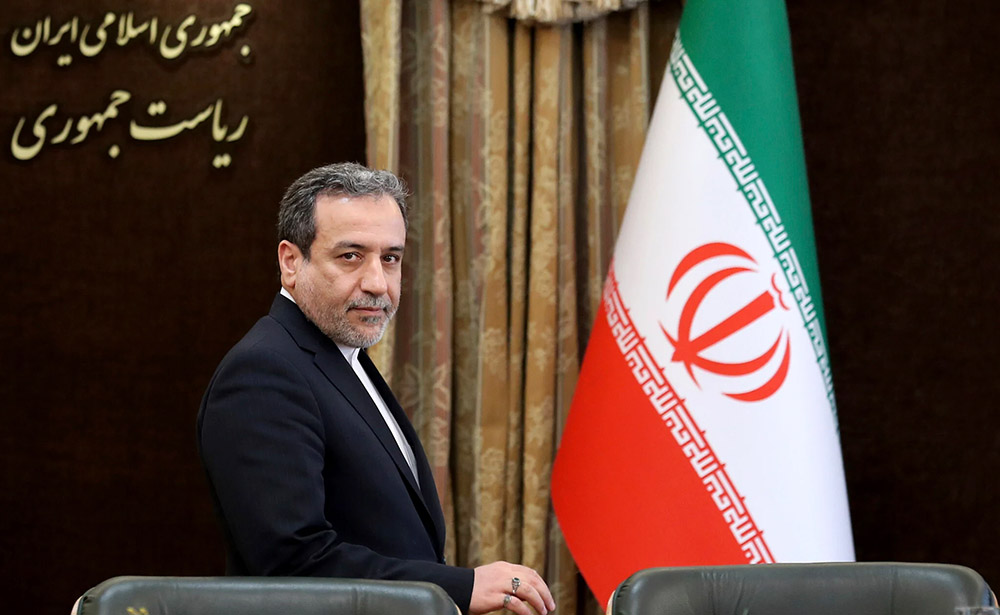
An Iranian delegation led by Foreign Minister Abbas Araghchi arrived in Geneva on Sunday to participate in the high-stakes second round of indirect nuclear negotiations with the United States. The talks, scheduled to begin on Tuesday, February 17, 2026, follow an initial round held in Muscat earlier this month. This renewed diplomatic effort, facilitated by Oman, signals a fragile attempt to resolve the long-standing nuclear impasse that has brought the region to the brink of conflict.
The Iranian Foreign Ministry confirmed that Araghchi is heading a team of specialized diplomatic and technical experts. During his visit, he is also expected to hold critical consultations with the Swiss and Omani foreign ministers, as well as Rafael Grossi, the Director General of the International Foreign Minister (IAEA). These meetings are seen as vital for restoring international monitoring mechanisms that have been severely disrupted over the past year.
The negotiations center on several high-pressure issues, most notably the limits on Iran’s uranium enrichment. While the Trump administration is demanding a “zero enrichment” policy and the dismantling of nuclear infrastructure, Tehran is seeking significant sanctions relief and economic benefits in sectors like aviation and oil. The stakes are particularly high following a 12-day war in June 2025, during which the U.S. and Israel reportedly targeted Iranian nuclear facilities.
The diplomatic push is unfolding against a backdrop of intense military posturing. President Donald Trump has recently ordered the USS Gerald R. Ford strike group to join the USS Abraham Lincoln in the Middle East, a move U.S. officials describe as both a deterrent and a preparation for potential “weeks-long” operations if talks fail. Trump has warned that the outcome for Iran will be “very traumatic” if a deal is not reached quickly.
Adding to the complexity, the talks are occurring amidst domestic turmoil in Iran, following a deadly crackdown on nationwide protests earlier this year. While Iranian officials have expressed a desire for a deal that provides “economic return,” regional allies and critics, including Israeli Prime Minister Benjamin Netanyahu, continue to push for a total removal of all enriched material from Iranian soil. The Geneva round is viewed by many as a final diplomatic window before a potential military escalation.






FACEBOOK COMMENTS