
KATHMANDU — Curiosity has surged regarding the next steps in the geopolitical landscape after talks between the United States and Iran in Islamabad concluded without reaching an agreement. U.S. Vice President JD Vance, who led the American delegation, departed for the U.S. after stating that the negotiations failed because Iran refused to accept the conditions set by the United States.
Meanwhile, Iranian Foreign Ministry spokesperson Esmaeil Baghaei noted that while multiple messages and written documents were exchanged, the discussions covered a wide range of issues including the Strait of Hormuz, Iran’s nuclear program, war reparations, the lifting of sanctions, and ending regional conflicts.
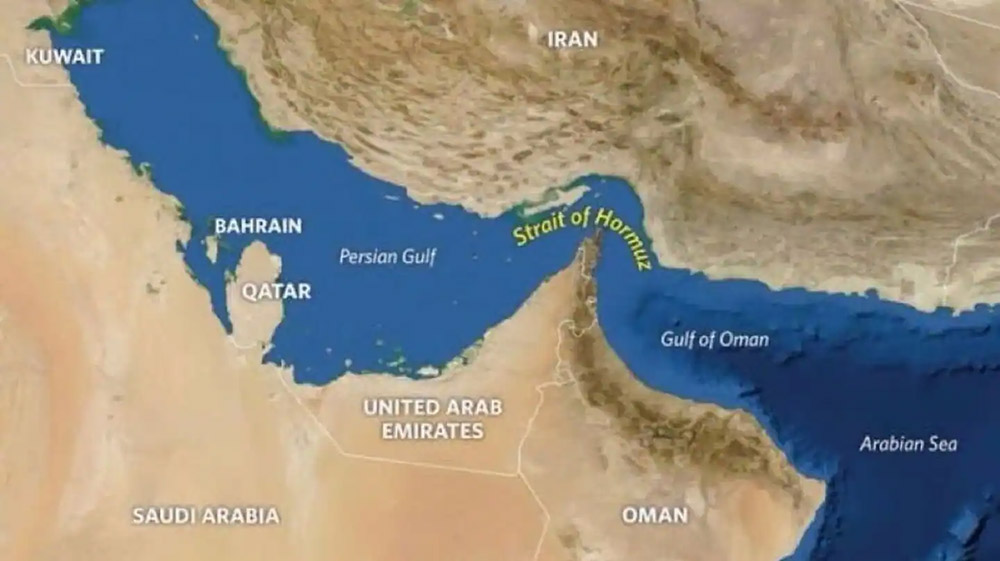
The primary sticking point in the negotiations is reported to be the Strait of Hormuz. The talks grew increasingly complex due to a lack of a clear American stance on the waterway. In recent days, U.S. President Donald Trump has offered conflicting statements; initially suggesting the U.S. had little interest in the region, before later declaring it the most vital part of the deal and insisting no agreement is possible unless the passage remains open.
This inconsistency has created significant confusion regarding Washington’s actual position. On the other hand, Tehran views its control over the Strait of Hormuz as its primary strategic leverage and has signaled it will not compromise without substantial concessions.
In the midst of these developments, Pakistani Foreign Minister Ishaq Dar held a press conference on Sunday, emphasizing that all parties must adhere to a ceasefire. He reiterated that Pakistan remains committed to facilitating further dialogue in the coming days.





FACEBOOK COMMENTS