
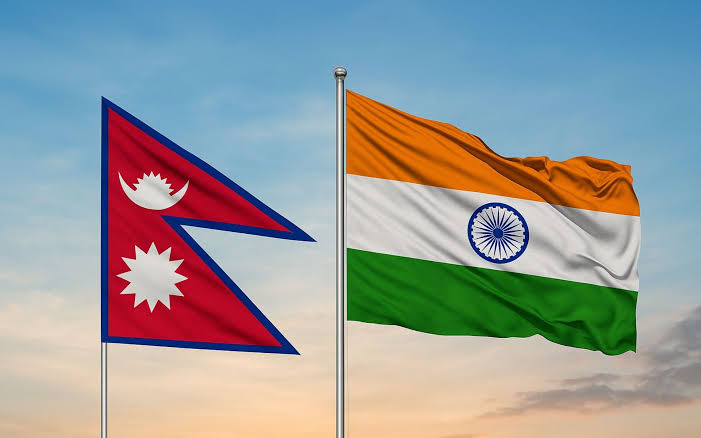
Kathmandu : Nepal and India are set to discuss border security, cross-border crime and intelligence sharing during the 10th annual coordination meeting between Nepal’s Armed Police Force (APF) and India’s Sashastra Seema Bal (SSB), scheduled to begin in Kathmandu on Tuesday.
The three-day meeting will bring together APF Inspector General Narayan Dutta Poudyal and SSB Director General Sanjay Singhal, who will lead their respective delegations. According to APF officials, the meeting will conclude on Thursday with the signing of agreed minutes outlining the decisions and commitments made by both sides.
During his visit to Nepal, SSB chief Singhal is also scheduled to pay courtesy calls on Home Minister Sudan Gurung, Home Secretary Kedarnath Sharma and other senior government officials.
The meeting is expected to focus on a range of security challenges along the Nepal–India border, including human trafficking, drug smuggling, illegal trade, customs evasion and the movement of third-country nationals.
Officials from both sides will also review existing agreements and discuss measures to strengthen coordinated border management, improve real-time information sharing and prevent transnational criminal activities.
Other issues on the agenda include joint border patrols, the repair and maintenance of boundary pillars, disaster preparedness, emergency response and coordination among relevant government agencies.
A senior APF official said the meeting would provide an opportunity to assess progress on previous commitments and identify practical ways to improve cooperation in border areas.
The movement of third-country nationals through the open border is also expected to feature prominently in the discussions.
At the previous coordination meeting, Nepal and India expressed concerns over the movement of foreign nationals through their border areas and agreed to strengthen monitoring.
An official familiar with the discussions said the Indian side had raised concerns about the movement of Chinese and Pakistani nationals through Nepali border areas. Nepal, meanwhile, had expressed concerns about the movement of Rohingya refugees and Bangladeshi nationals.
According to the official, such movement has slowed in recent months.
The issue remains sensitive because the open border allows people and goods to move between the two countries while creating challenges for authorities seeking to prevent illegal activities without disrupting legitimate cross-border movement.
Nepal and India share an approximately 1,751-kilometre open border, supported by longstanding social, economic and cultural ties. However, the frontier also presents security challenges, including trafficking, smuggling and other forms of cross-border crime.
The APF has established 244 border outposts along the Indian frontier, while India operates more than 400 posts, according to officials.
The two forces also cooperate in the repair and maintenance of boundary pillars, including in areas such as Kalapani in Darchula and Susta in Nawalparasi West, where boundary-related issues have drawn attention.
Nepal is expected to seek stronger Indian cooperation in controlling drug trafficking, preventing the smuggling of goods and improving information-sharing mechanisms.
The delegations are also expected to discuss coordinated responses to natural disasters and preparations for emergencies that could affect communities on both sides of the border.
The APF–SSB annual coordination mechanism was established in 2012 to facilitate regular dialogue, exchange security information and review cooperation along the shared border. However, meetings have not always taken place regularly due to various circumstances, including the Covid-19 pandemic.
The latest meeting is expected to help both sides review emerging security concerns, assess the implementation of earlier agreements and establish priorities for future cooperation.
As Nepal and India continue to facilitate cross-border travel and trade, effective coordination between their security forces remains important for addressing illegal activities while ensuring that legitimate movement across the open border continues smoothly.











FACEBOOK COMMENTS