
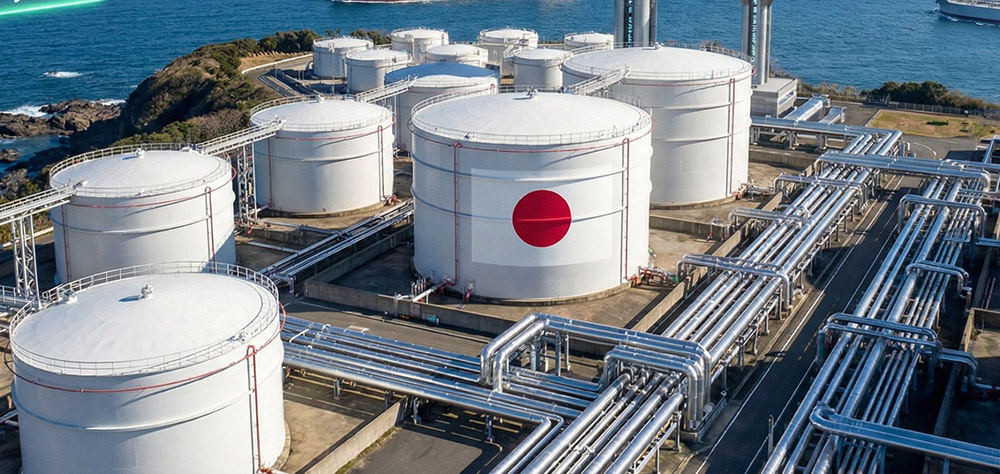
As the war in the Middle East severely hampers the passage of oil tankers through the Strait of Hormuz, Japan has officially begun tapping into its emergency petroleum reserves to stabilize domestic energy supplies. The disruption has caused significant anxiety in Japan, which relies heavily on Middle Eastern crude oil. To mitigate the risk of a fuel shortage and prevent market volatility, the Japanese government has authorized the initial release of fuel equivalent to approximately 15 days of national consumption.
According to Japanese media reports, the current release is being drawn from private-sector stocks, where oil companies are currently maintaining reserves sufficient for about 70 days. This proactive measure is intended to ensure that the distribution of petroleum products remains steady while maritime routes remain contested. Furthermore, the government has indicated that it holds substantial independent reserves and may release an additional month’s worth of supply by the end of March if shipping conditions do not improve.
Despite the current strain on global supply chains, Japan maintains a robust long-term energy cushion. Currently, the nation possesses a total reserve equivalent to 254 days of consumption, which totals approximately 470 million barrels of oil. By lowering the mandatory reserve requirements for refiners, the government aims to keep the economy moving and shield consumers from the sharp price increases triggered by the ongoing conflict.









FACEBOOK COMMENTS