
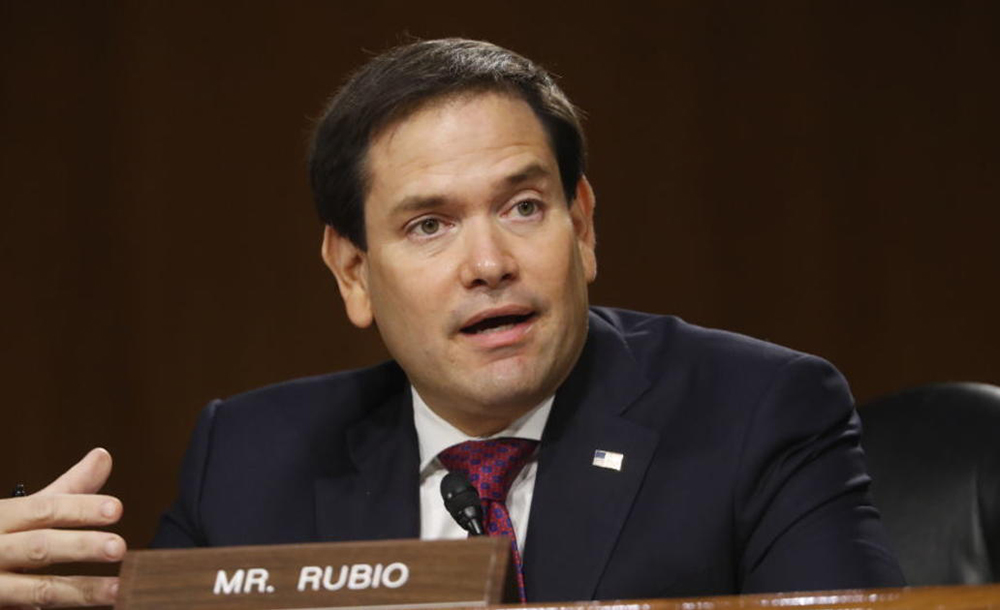
U.S. Secretary of State Marco Rubio has signaled that the United States will conduct a comprehensive review of its relationship with NATO once the current conflict with Iran concludes. Rubio emphasized that the present global situation necessitates a re-evaluation of outdated security structures and existing models of cooperation. In a recent interview, he remarked that after the war, the U.S. must seriously examine NATO’s effectiveness and its necessity to American interests, hinting that the alliance’s role must be modernized to fit the current era.
This tension stems largely from Washington’s dissatisfaction with NATO allies who have failed to provide clear support or direct participation in the struggle against Iran. While the United States has pursued an aggressive strategy in coordination with Israel, many European nations have chosen to maintain a cautious distance.
This divergence has fueled the long-standing criticism, often voiced by the Trump administration, that member states are not contributing enough to defense spending or shared military burdens.
Analysts suggest that these differing priorities are placing the principle of collective security under immense strain, exposing a growing rift between the U.S. and Europe. While the U.S. pushes for allies to take on more responsibility under an “America First” framework, European leaders have expressed frustration over unilateral American decisions, preferring multilateral diplomacy. Experts conclude that previous diplomatic frictions, combined with the current disagreement over the war in Iran, may fundamentally alter the future of joint international security strategies.








FACEBOOK COMMENTS