
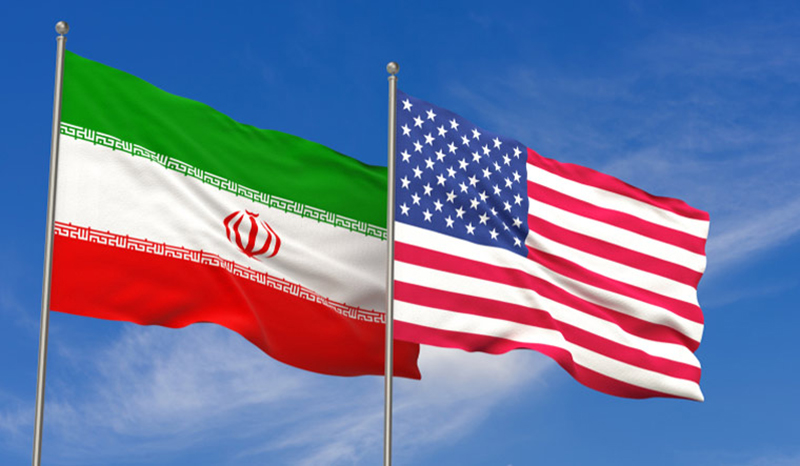
KATHMANDU — Iran has officially demanded approximately $270 billion in compensation for damages sustained during the recent conflict, which escalated following strikes on February 28. Iranian government spokesperson Fatemeh Mohajerani stated in a recent interview that this preliminary figure covers both direct and indirect losses across multiple sectors, including the destruction of over 125,000 civilian and industrial units. The Iranian leadership has positioned these reparations as a non-negotiable condition in ongoing diplomatic efforts, including the recent high-level talks held in Islamabad.
Compounding the financial demand, Iran’s representative to the United Nations has accused five regional nations—Saudi Arabia, the UAE, Qatar, Bahrain, and Jordan—of facilitating the attacks by allowing the use of their territories. Tehran argues that these countries bear international responsibility and must contribute to the compensation fund.
To enforce its claims, Iran has proposed a controversial new protocol that would involve taxing commercial vessels transiting the Strait of Hormuz. This plan suggests a toll system, potentially requiring payments in digital currency, which Iranian officials describe as a “secure passage protocol” to monitor maritime activity and recover war-related costs.
Despite the heavy presence of a U.S. naval blockade in the region and President Trump’s refusal to extend the current ceasefire, Iranian officials have indicated they are preparing for potential direct negotiations with the United States. However, the atmosphere remains highly volatile as Tehran maintains a rigid stance on its “legitimate rights” to financial restitution.
While regional mediators continue to seek a path toward a permanent settlement, Iran’s demand for massive reparations and its attempts to exert sovereignty over the world’s most critical oil chokepoint have added a complex layer of economic tension to the already fragile peace process.












FACEBOOK COMMENTS