
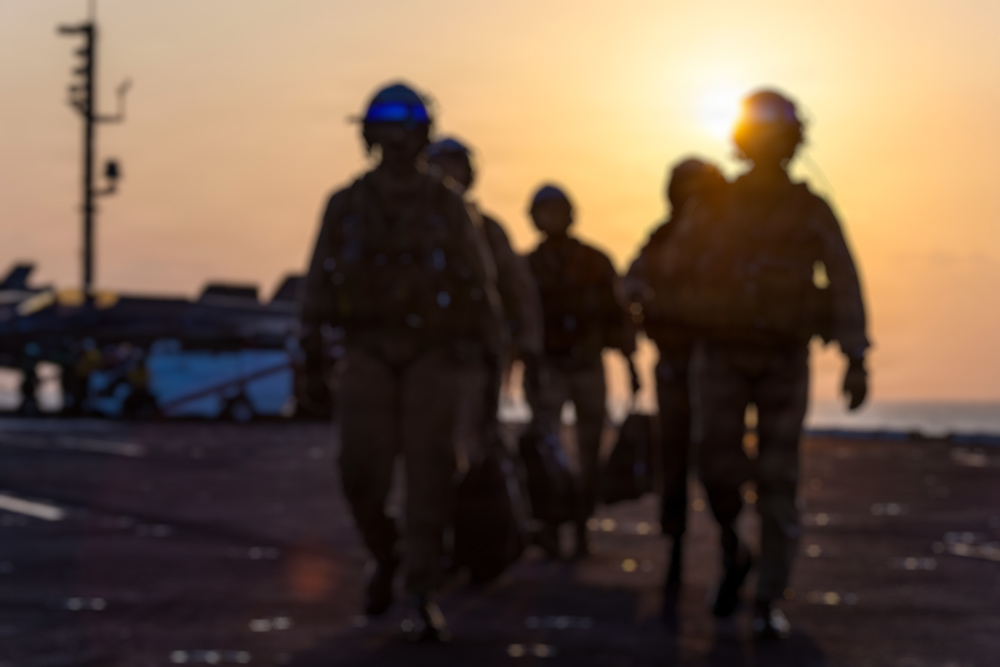
Kathmandu_ In a significant escalation of regional tensions, the United States has deployed a massive military force to enforce a blockade in the Strait of Hormuz and the Gulf of Oman. According to reports from the Everest News Agency, American warships recently intercepted two oil tankers departing from Iran’s Chabahar port, forcing them to retreat.
This operation is part of a broader effort by the U.S. Central Command (CENTCOM) to halt all maritime traffic entering or exiting Iranian ports. In the initial 24 hours of the blockade, six commercial vessels were reportedly turned back, with military officials claiming that no ships have successfully navigated the strait under their watch.
To maintain this blockade, the United States has stationed over 10,000 troops and approximately 12 naval vessels in the strategic waterway. This fleet includes guided-missile destroyers and amphibious assault ships supported by advanced aerial surveillance. While the U.S. has made it clear that these restrictions apply to all vessels regardless of nationality, some conflicting media reports suggest that at least four Iranian ships managed to bypass the blockade on Tuesday. This military maneuvers aim to severely restrict Iran’s economic capabilities by cutting off its primary maritime trade routes.
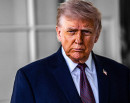
Amidst these military actions, President Donald Trump has suggested that the conflict with Iran may be nearing its conclusion. In a recent interview, he stated that the war is “almost over,” implying that the intense military pressure from both the U.S. and Israel has significantly weakened Iran’s infrastructure and nuclear ambitions. Trump argued that without these interventions, Iran would have already developed nuclear weapons, and claimed that the damage sustained by the country could take up to 20 years to repair. While his comments hint at a potential ceasefire or a new peace agreement, the region remains on high alert as the international community watches for the outcome of upcoming diplomatic negotiations.










FACEBOOK COMMENTS