
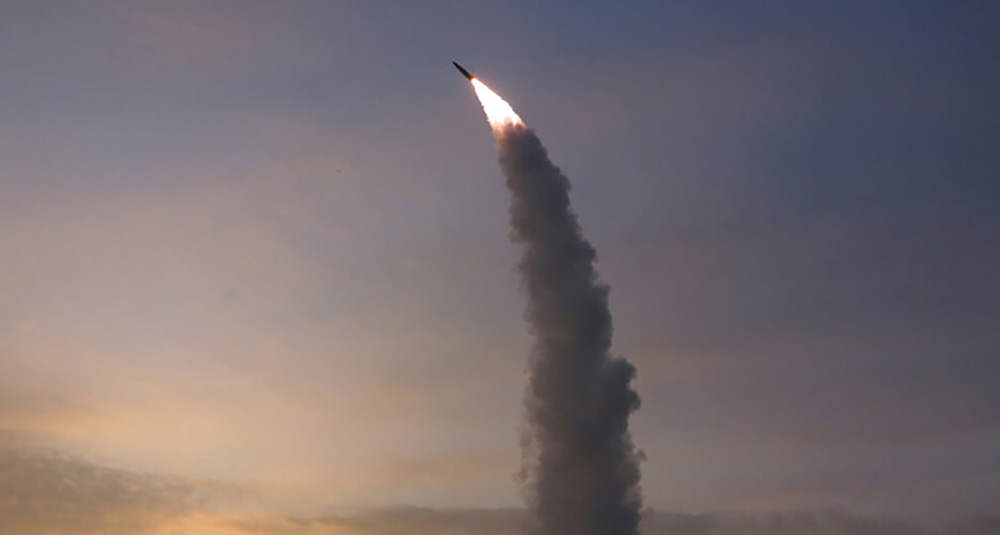
Tensions have surged across Asia following North Korea’s launch of several ballistic missiles toward its eastern sea on Sunday morning. According to South Korea’s Joint Chiefs of Staff, the missiles were fired from the Sinpo region, a coastal area long associated with the North’s weapons testing programs. In response, South Korean military forces have heightened their surveillance and security readiness, while Japan experienced a wave of alarm as the government placed the nation on high alert. Preliminary reports suggest the missiles landed in the sea outside of Japan’s Exclusive Economic Zone (EEZ), prompting an emergency meeting at the Prime Minister’s Office Crisis Management Center to coordinate a response.
The international community, led by Japan, the United States, and South Korea, is currently conducting a joint analysis to determine the exact nature and potential risks of these launches. This latest provocation marks North Korea’s seventh ballistic missile test of 2026 and its fourth in the month of April alone, signaling a rapid escalation in military activity. While these tests are a direct violation of United Nations Security Council resolutions, Pyongyang continues to frame them as essential measures for self-defense. Leader Kim Jong Un has consistently vowed to expand the country’s nuclear and missile arsenals to ensure national security.
Further complicating the security landscape, the International Atomic Energy Agency (IAEA) has issued a warning regarding North Korea’s accelerating nuclear program. The agency indicated that the North appears to be moving forward with new uranium enrichment facilities, suggesting a broader effort to bolster its nuclear strike capabilities. As the situation evolves, the trilateral alliance between Washington, Seoul, and Tokyo remains in constant communication to monitor the threat and maintain stability in the Pacific.












FACEBOOK COMMENTS