
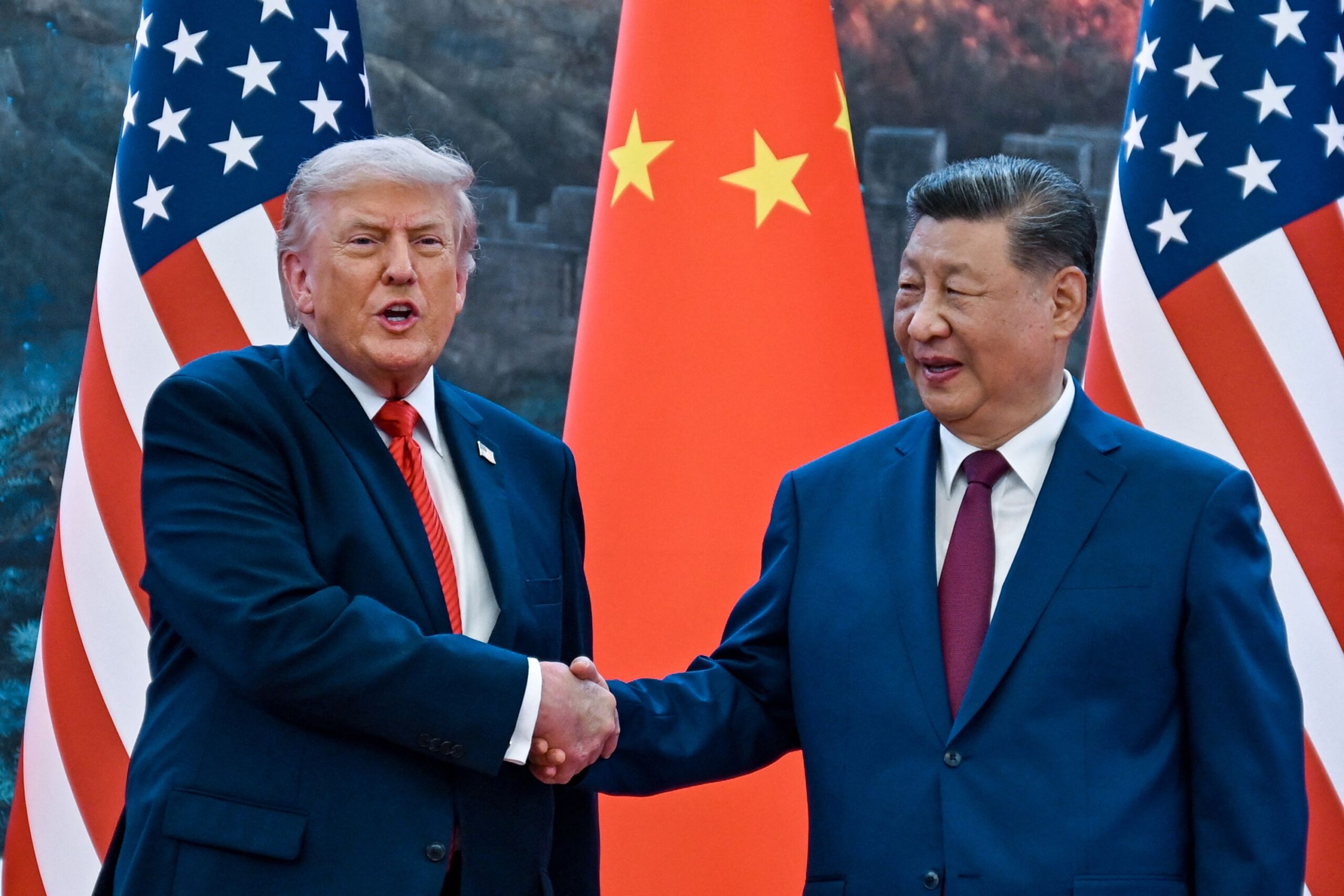
HONG KONG: The United States and China have announced reciprocal lists of products worth around $30 billion that will benefit from reduced tariffs, in a move expected to boost bilateral trade between the world’s two largest economies.
The agreement was announced on Monday, following a meeting between Chinese President Xi Jinping and U.S. President Donald Trump in Washington. The visit marked Xi’s first state visit to the United States since 2015.
The latest tariff agreement comes after Washington had already lowered some tariffs on Chinese imports following a period of escalating trade tensions. At one point last year, U.S. tariffs on Chinese goods had reached as high as 145 percent.
China’s Ministry of Commerce said the agreement would help strengthen trade cooperation and improve economic ties between the two countries.
China’s list covers 1,619 categories of U.S. products, including agricultural commodities, personal care products, timber and medical equipment.
The U.S. list covers 77 Chinese products, including fireworks, tableware, glass products, wooden Christmas ornaments and soccer balls. Coal from the United States is also included in the tariff-reduction list.
China’s Commerce Ministry said tariff rates on more than 90 percent of the products covered by the agreement would be reduced to most-favored-nation levels. This would effectively remove country-specific tariffs on those products.
U.S. Trade Representative Jamieson Greer said the lists primarily focused on non-sensitive goods that could benefit from more favorable tariff treatment.
According to the U.S. side, the agreement could expand market access for American farmers, manufacturers, businesses and workers while giving U.S. consumers greater access to Chinese imports, including household goods and toys.
Both countries have agreed that the product lists can be adjusted in the future if necessary. Any amendments are expected to be considered on an annual basis.
China also said the two countries had agreed to expand cooperation in agriculture. A dedicated working group will operate under the bilateral trade mechanism established in May to identify ways to further improve agricultural and trade cooperation.
However, several strategically important sectors were not included in the tariff agreement. These include semiconductors, electric vehicles and batteries.
The exclusion indicates that trade restrictions remain in place in several key technology and strategic industries despite the broader effort by Washington and Beijing to ease trade tensions.









FACEBOOK COMMENTS