
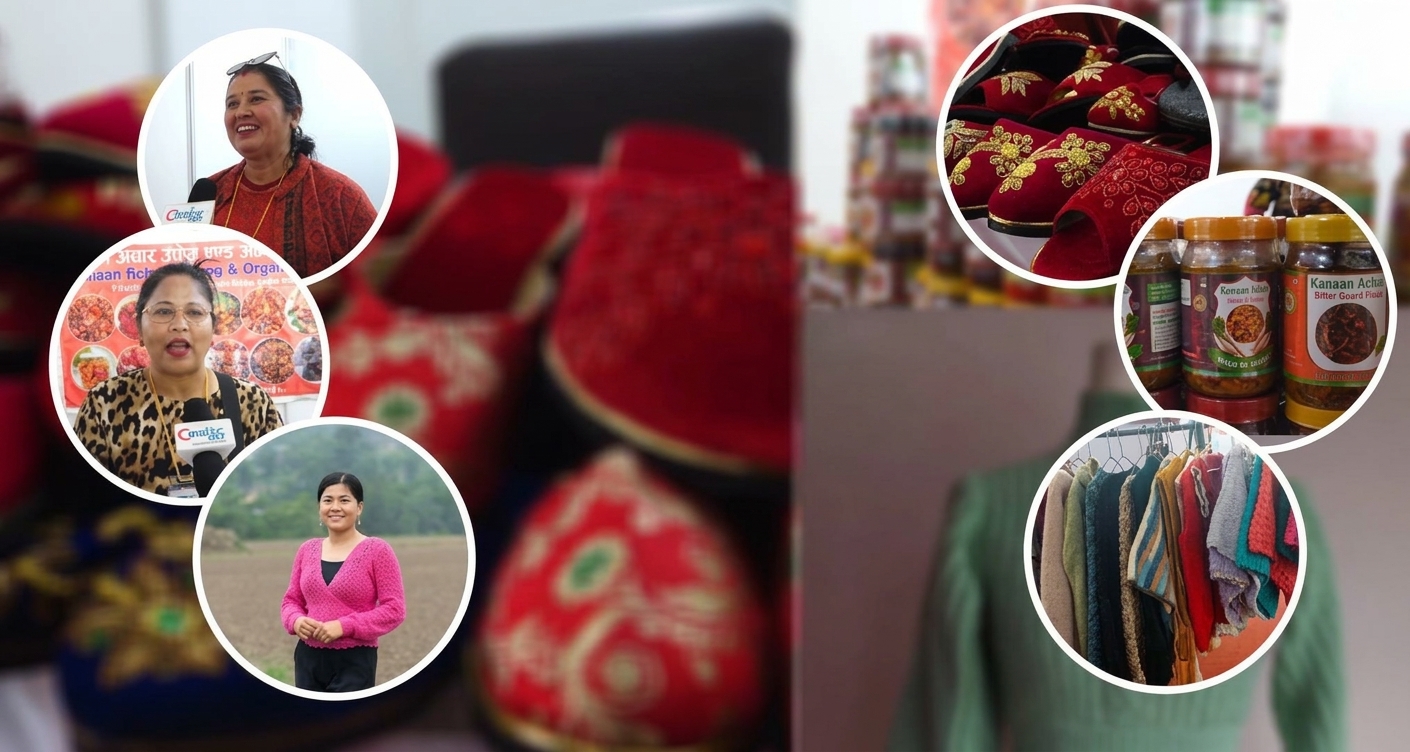
Kathmandu: Nepali women, once largely confined to household chores, are now establishing small businesses and successfully building their identities as entrepreneurs.
Women who were once limited to their homes and kitchens are now making their mark in production, handicrafts, food processing, beekeeping, technology and export-oriented industries. Through their skills, hard work and entrepreneurship, they have played an important role in creating employment, improving their families’ financial conditions and contributing to the national economy.
As demand for Nepali products grows in both domestic and international markets, new opportunities are emerging for women entrepreneurs. Through handicrafts, Dhaka fabrics, pickles and other locally produced goods, women are transforming their businesses into professional enterprises.
Today, we bring you the stories of women who refused to give up despite being told that certain jobs were not meant for them. They turned work that society did not even recognise as a profession into brands. These are stories of women who transformed businesses started with as little as Rs 250 into successful enterprises worth lakhs of rupees.
There was a time when Champa Nepal of Gothatar had to depend on others to meet household expenses and fulfil her personal needs. Some members of society even tried to discourage her, saying, “A Brahmin’s daughter should not do the kind of work done by a Sarki (traditional shoemaker).”
She did not have the support of her family and was burdened with the responsibilities of raising her children and looking after her sick parents-in-law. Despite these challenges, Champa made a difficult but courageous decision to change her own destiny.
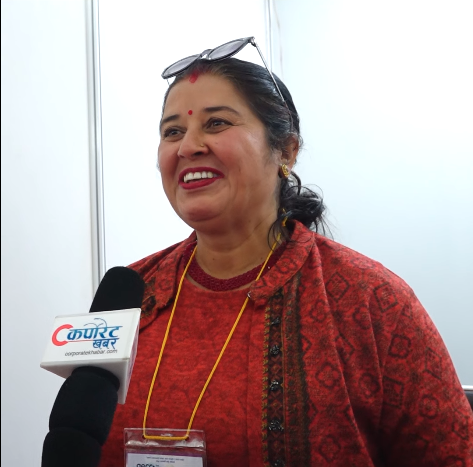
In Ashoj 2079 BS, she enrolled in a 15-day shoe-making training programme. However, due to household difficulties, she could not attend more than 10 days of training. Nevertheless, she did not let the skills she had learned go to waste.
With her husband’s support and her own determination, she moved forward. On Mangsir 12, 2070 BS, she started a small industry producing velvet and Dhaka fabric shoes with an investment of Rs 5,000. That initial investment has now grown into an industry worth more than Rs 2 million.
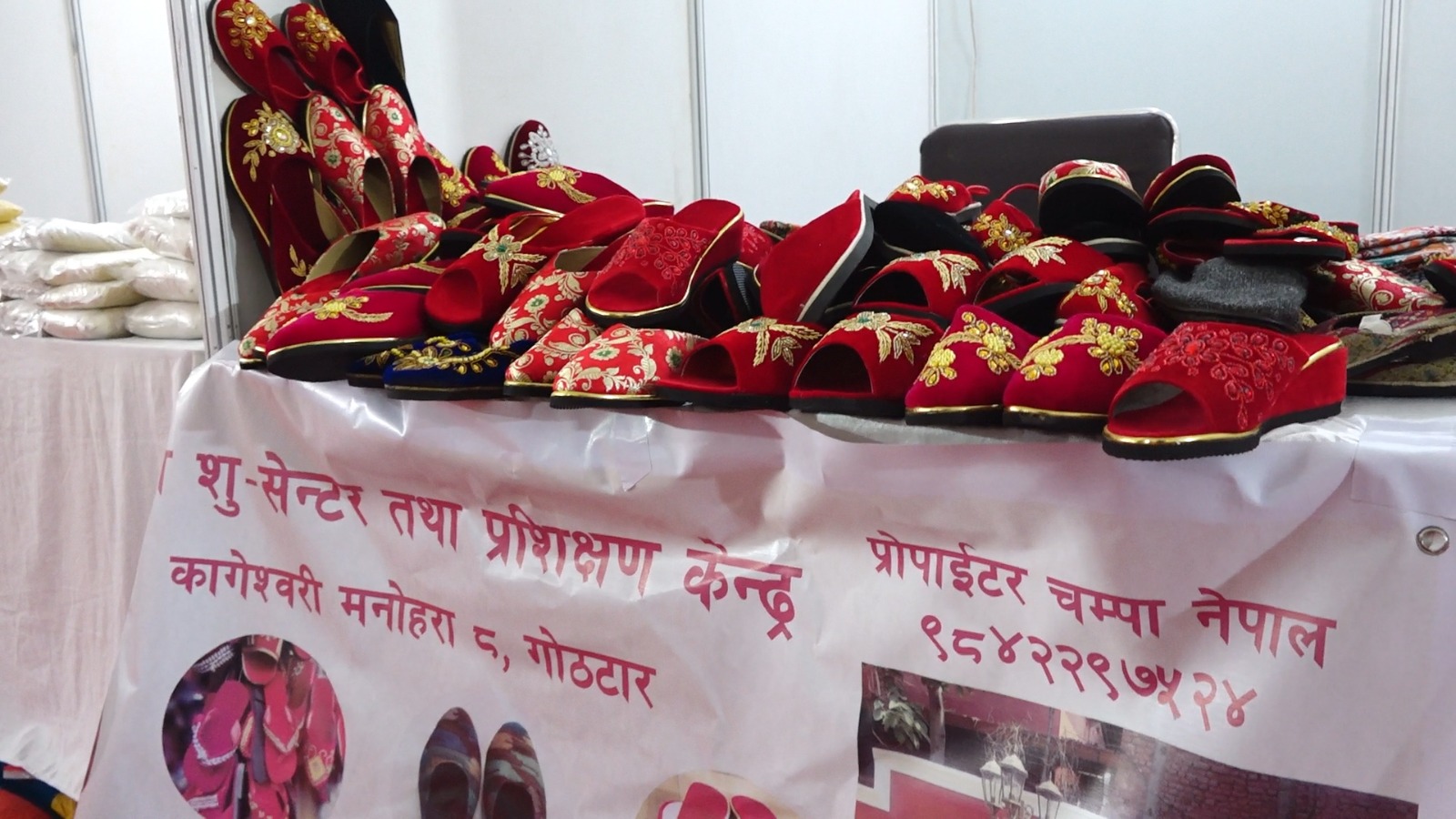
Initially, Champa knew how to make only two types of shoes. Today, she has refined her skills and produces more than 40 varieties of attractive shoes and slippers. These artistic products, which start at Rs 150, are sold in different markets across Nepal and exported overseas as well. Whether it is the wedding season or a festival, her industry remains busy fulfilling orders.
Through the income earned from selling shoes, Champa managed to purchase a plot of land within just two years. Today, she is not only an entrepreneur but also an employer providing jobs to nine people and an inspiring trainer teaching skills to other women.
She has become financially independent, moving from a position where she had to ask her husband for money to one where she can now provide financial support to him.
Champa travels to different districts across the country, helping women become self-reliant. Her dream is now to expand the reach of Nepal’s velvet and Dhaka fabric shoes in international markets.
By overcoming social criticism and financial hardship, Champa has demonstrated that women can transform their world if they have skills and self-confidence.
Manju Dhakal of Balaju has been running a pickle business in Taudol, Balaju Height. Her enterprise is named ‘Kanan Achar Udyog and Organic Mart’. Starting the pickle business from her home with just Rs 250, she went on to generate monthly earnings of up to Rs 2 million to Rs 2.2 million.
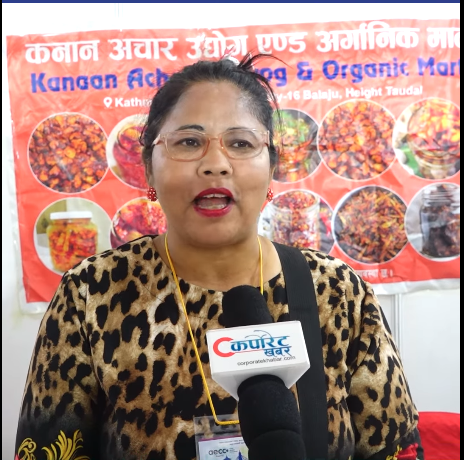
Her home-based pickle business now provides employment to six people. Having been involved in this business for 18 years, Dhakal is no longer limited to producing pickles. She has trained 50 to 60 people in pickle-making, and many of her students have now become pickle entrepreneurs themselves.
<image-placeholder: Pickle-making training>
Her industry produces more than 35 varieties of vegetarian and non-vegetarian pickles. These products are popular not only among Nepali customers but are also exported to foreign markets. According to Dhakal, customers like Kanan’s pickles because they are organic and homemade.
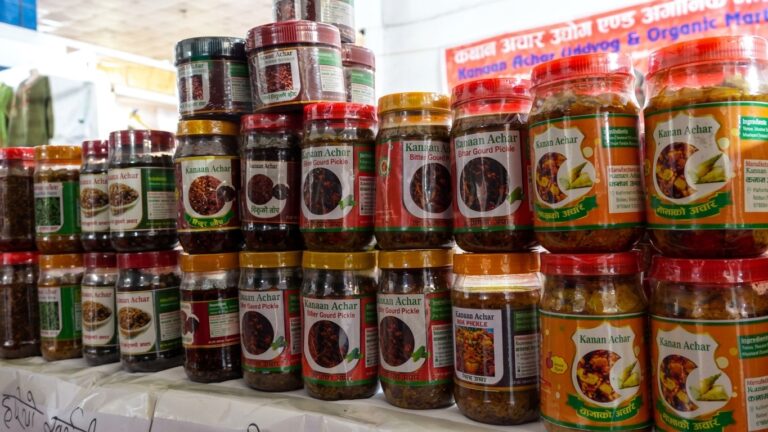
A few months ago, Dhakal was involved in a serious accident that left her with severe injuries to her hand. She returned to her business only three months ago. Despite suffering serious injuries in the accident, she did not give up. After a lengthy treatment, she has returned to running her business.
She says it is disappointing that neither local nor central government authorities are doing enough for women entrepreneurs who want to establish businesses. Despite growing demand, she has been unable to produce enough pickles to meet orders due to a lack of investment.
“We received an order for 400 to 500 tonnes of pickles from Australia, but we could not supply the required quantity. It is disappointing when such opportunities arise but we cannot fulfil them,” says Manju Dhakal.
She also says that women entrepreneurs are not getting access to the subsidised loans provided by the government.
Dhakal has also been training other women. She wants to ensure that no woman has to leave her two-year-old child behind and go abroad for employment. Instead, she wants women to learn skills and become financially independent in Nepal itself. This is why she continues to provide training to women.
In Nepali society, knitting wool or yarn with a crochet hook is generally not considered a professional occupation. Instead, it is often regarded as a way for housewives to pass their free time or simply as a hobby.
However, Niharika Dangol of Khokana, Lalitpur, has challenged this traditional perception by transforming the craft into a recognised fashion brand. Overcoming a lack of family support and social scepticism, she established ‘Jya Crochet Fashion’, which has now become a source of inspiration for many.
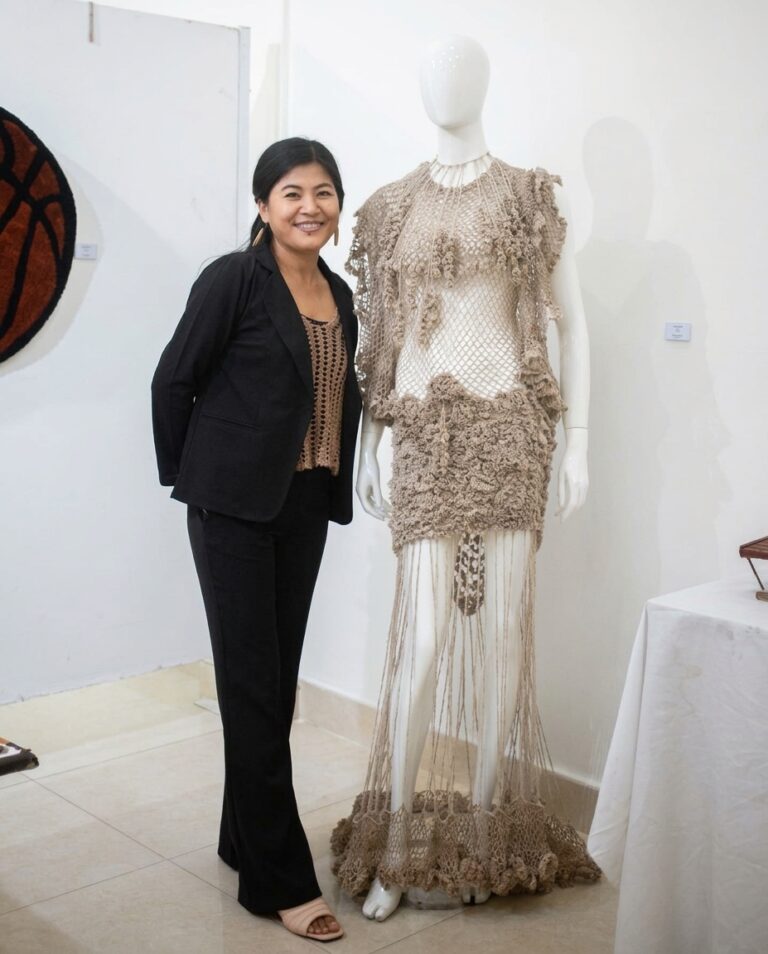
A graduate in fashion design, Niharika decided to build her professional identity around crochet. Her decision was initially met with reactions from family and society such as, “Can you really make a living doing this kind of work?”
However, determined to pursue something she genuinely loved, she took discouraging comments as motivation.
In the Newari language, ‘Jya’ means ‘work’. Challenging the very perception that crochet was not considered real work, she named her brand ‘Jya Crochet’ and practically demonstrated that it could also be a respectable and empowering profession.
The COVID-19 pandemic in 2019 and the subsequent lockdown proved to be a turning point in Niharika’s life. She transformed the situation of being confined indoors into an opportunity.
Having learned crochet during childhood while helping her elder sisters, and having successfully applied the craft in her college thesis, she decided to develop it into a professional online business.
Today, Niharika delivers her products across the country through online platforms. She makes sweaters, hats, caps, key rings and attractive dolls. Her designs have become popular among a wide range of customers, from ordinary consumers to celebrities.
Niharika is not only focused on earning money herself but also on helping others become self-reliant. She has provided crochet training to students and beginners associated with various organisations.
At a time when an increasing number of young people are attracted to opportunities abroad, Niharika has a different perspective. She is moving forward with plans to take her ‘Jya Crochet’ brand to international markets.
Champa Nepal, Manju Dhakal and Niharika Dangol are just three examples of women who have established themselves in business. Thousands of other women have also struggled to build businesses instead of limiting themselves to household responsibilities.
However, the journey of women in the industrial sector is not easy.
Difficulties in arranging the capital required for business expansion, lack of collateral to obtain loans from banks and financial institutions, limited access to modern technology, marketing challenges and the double burden of household responsibilities remain major obstacles for women entrepreneurs.
Many women entrepreneurs also struggle to receive fair prices for their products, establish their brands and access larger markets.
There is a growing need for the government to support women entrepreneurs through subsidised loans, professional training, modern technology, quality certification and effective marketing to help their products reach national and international markets.
Providing opportunities for women-led industries in government and private-sector procurement processes, along with simplifying business registration and operational procedures, could further increase women’s participation in the industrial sector.
The achievements of Nepali women in the industrial sector are not merely the result of their hard work and capabilities; they also represent a sign of economic and social transformation.
These stories clearly demonstrate that with proper opportunities, investment and policy support, Nepali women entrepreneurs have the potential to strengthen their presence not only within the country but also in international markets.




FACEBOOK COMMENTS