Despite ongoing diplomatic efforts, the prospects for a breakthrough between Iran and the United States remain dim as tensions continue to escalate. Mohammad Bagher Ghalibaf, the Speaker of the Iranian Parliament, recently acknowledged that while dialogue has occurred, significant disagreements on core issues persist, making a quick resolution unlikely. This diplomatic friction comes at a critical juncture, as the current ceasefire agreement is scheduled to expire on April 22, 2026.
The situation has grown increasingly complex with Iran’s recent refusal to participate in a second round of mediated talks in Pakistan. Tehran has leveled several accusations against Washington, claiming the U.S. has presented “excessive” and “unrealistic” demands while frequently shifting its stance. Iranian officials have further criticized the U.S. for spreading misinformation and maintaining a naval blockade, which they argue is a direct violation of the existing ceasefire terms.
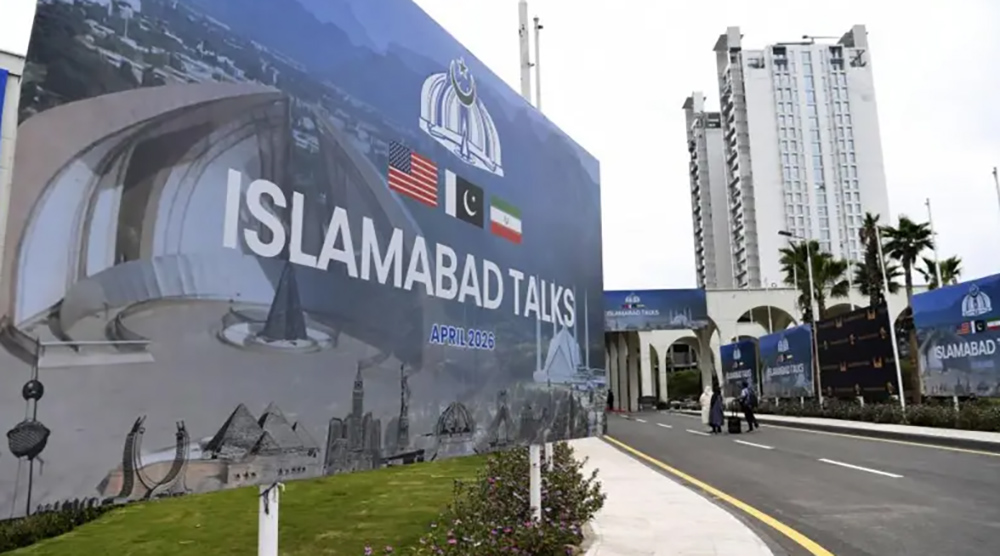
In response to the standoff, security has been significantly tightened in Islamabad, Pakistan, where potential mediation was expected to take place. An American security team has reportedly arrived in the city to assess the environment ahead of any high-level meetings. While Iran has confirmed receipt of a new proposal from the U.S. intended to lower regional tensions, the specifics remains undisclosed, leaving the international community to wonder if a diplomatic exit is still possible before the ceasefire lapse.











FACEBOOK COMMENTS