
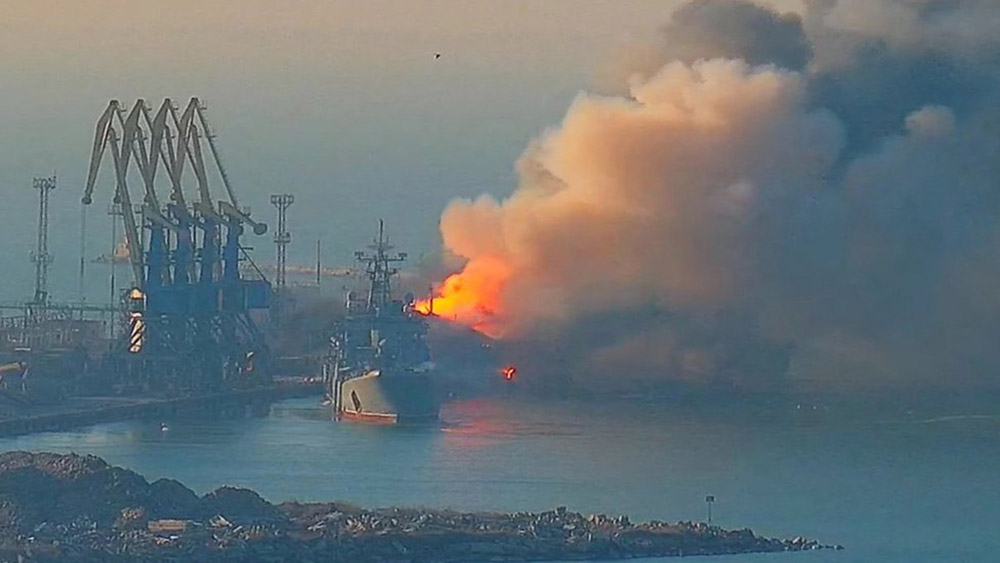
Kathmandu– The Black Sea has increasingly transformed into a major operational front in the ongoing Russia-Ukraine war, with both sides targeting over 300 vessels in the past month and a half alone. The attacks have struck grain carriers, oil tankers, and general cargo ships, causing severe disruptions to maritime trade across the region. As ship operators actively avoid these dangerous navigation corridors, freight costs have escalated rapidly, sparking grave concerns over global food security and potential price spikes for essential agricultural commodities, particularly wheat and corn. Because Russia and Ukraine jointly account for roughly 30 percent of global wheat exports, blockages across Black Sea trade channels carry immediate and far-reaching consequences for international markets.
The impact on regional export statistics has been stark. In August, Russia’s total grain exports plummeted from 5.9 million metric tons in the previous year to just 1.7 million tons—a drastic drop of nearly 71 percent. Specifically, Russian wheat exports dropped from 5 million tons to 1.3 million tons, while the number of purchasing nations fell from 43 to 16. Furthermore, the number of active grain-exporting Russian ports contracted sharply from 47 to 10, with shipments from Novorossiysk—Russia’s largest port—falling from 2.49 million tons to 1.04 million tons. Consequently, global wheat prices have already surged by approximately 30 percent over the past year.
Although substantial grain stocks remain available inside Russian and Ukrainian storage facilities, military strikes on ports and commercial shipping make delivering these supplies to buyer nations extraordinarily difficult. In response, Ukraine has attempted to divert exports through overland rail, road transport, and Danube River routes. However, these alternative transport channels possess significantly lower capacities compared to deep-sea ports and are constrained by fluctuating river water levels, rendering them incapable of fully offsetting the loss of maritime routes.
The mounting tension also poses a serious threat to the global corn market. Ukraine exported 23 million metric tons of corn during the 2025–26 season, accounting for roughly 12 percent of total global corn exports. A prolonged disruption in the Black Sea risks stifling this trade flow. While the UN and Turkey-brokered Black Sea Grain Initiative previously helped restore trade and stabilize food prices following the early stages of the 2022 invasion, renewed hostilities against commercial shipping have reignited global anxiety over food supply chains, threatening import-dependent nations with higher costs for wheat, corn, and edible oils.















FACEBOOK COMMENTS